 01 of 14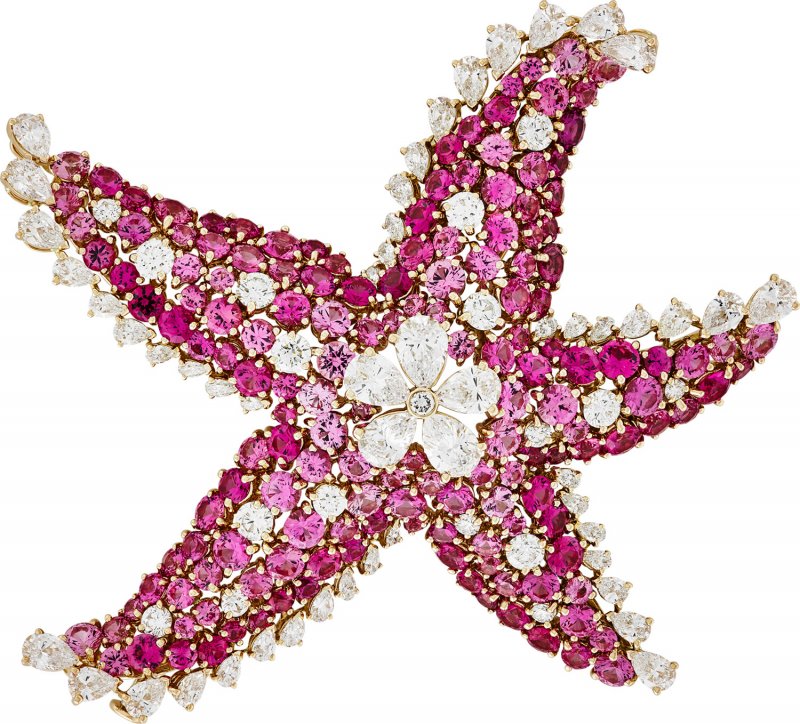
Romanticism Jewelry – Part 3
Returning to more cheerful themes, the Aesthetic Period (1880-1901) witnessed creations featuring hearts, stars, crescent moons, insects, reptiles and animals.
A jewelry piece from the present moment in line with this trend:
Van Cleef & Arpels – Seven Seas high jewelry collection – Arabian Sea line – Etoile de Mer brooch
02 of 14 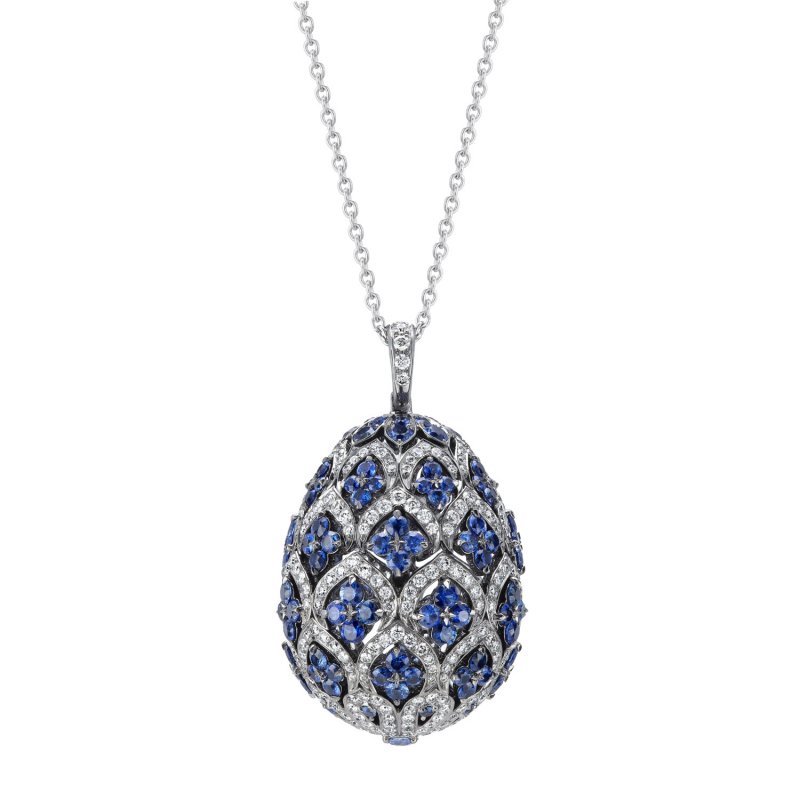
Romanticism Jewelry – Part 4
The last years of this era saw some of the greatest jewelry creations, from which we mention the famed Imperial Fabergé eggs created by Russian artist Peter Carl Fabergé.
A jewelry piece from the present moment in line with this trend:
Fabergé – Zenya sapphire egg pendant
03 of 14 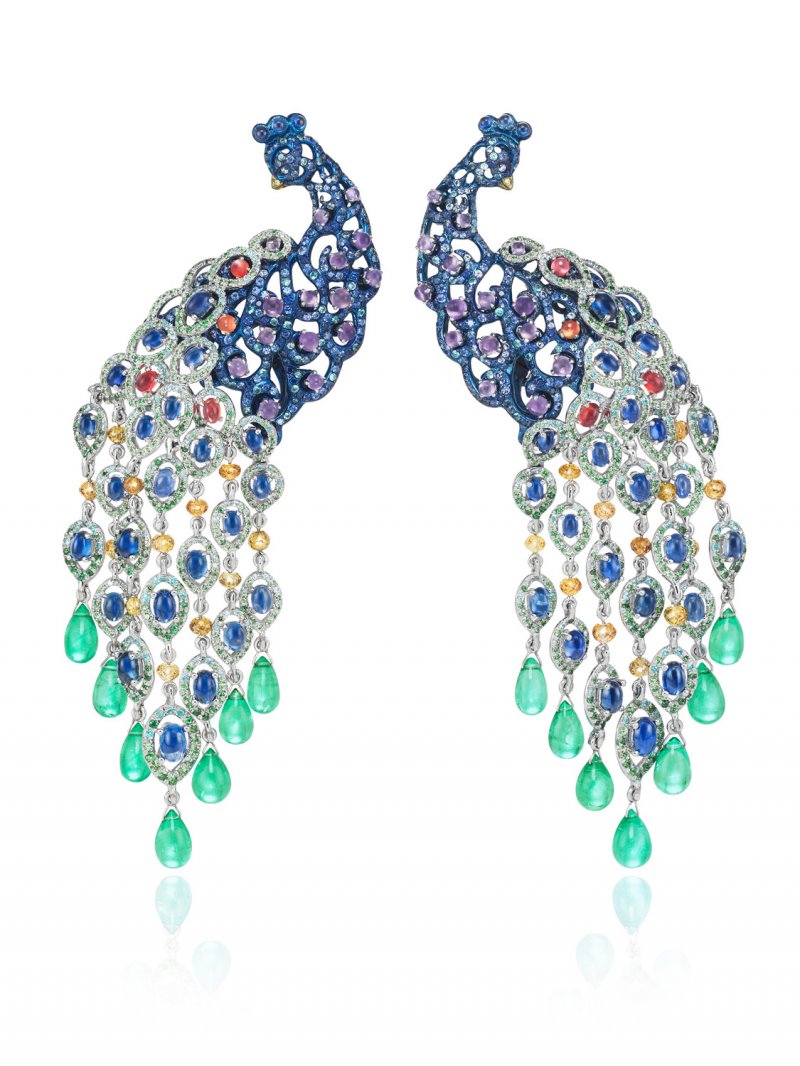
The Art Nouveau Era
The Art Nouveau focused on the future as a reaction to the classic arts. The jewelry during that time featured motifs of various plants such as orchids, vines, animals, butterflies, birds, swans, snakes and peacock feathers. Some of the most recognizable jewelry artists of that period of time were Louis Comfort Tiffany and Georges Fouquet.
A jewelry piece from the present moment in line with this trend:
Chopard – Peacock earrings – Animal World high jewelry collection
04 of 14 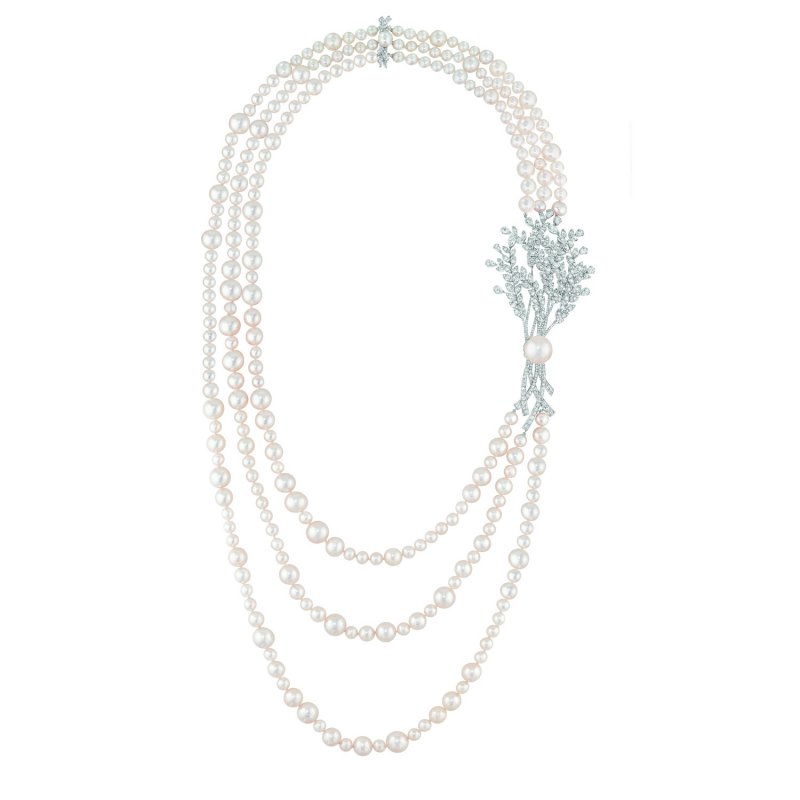
The Art Deco Era
The 1920s witnessed the rise of “modern art” that was inspired by Cubism and Ballet Russe and morphed into a style that reigned for 15 years. The jewelry of that time took more simple forms. Long dangling earrings, long strands of pearls, diamond watches and rings, dress clips and bracelets often made from diamonds saw the light. Platinum became popular and dramatically contrasting precious stones, geometrical shapes and oriental influences took over the Art Deco jewelry creations.
A jewelry piece from the present moment in line with this trend:
Chanel – Les Blés de Chanel high jewelry collection – Moisson de Perles necklace
05 of 14 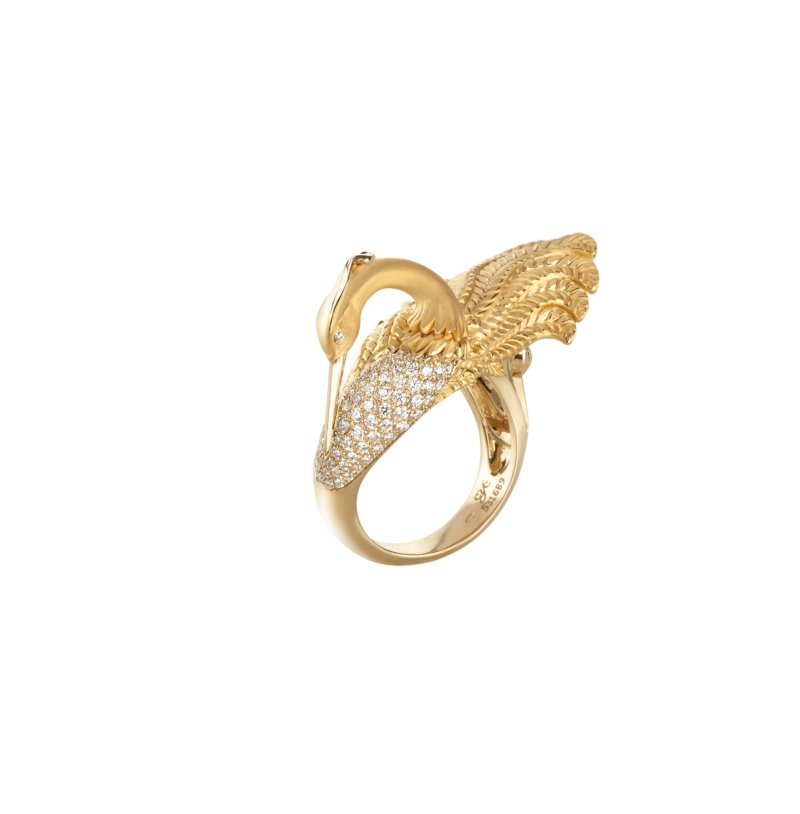
Ancient Egypt
Favorite items for ancient Egypt’s nobility include necklaces, bracelets, belts, amulets, pendants and hair beads decorated with the designs of scarab beetles, scrolls, winged birds, tigers, jackals and antelopes, while the special jewelry material that was often used was the colored glass – which, first discovered in Egypt, was very expensive and rare.
A jewelry piece from the present moment in line with this trend:
Carrera y Carrera - Seda Imperial Garzas ring
06 of 14 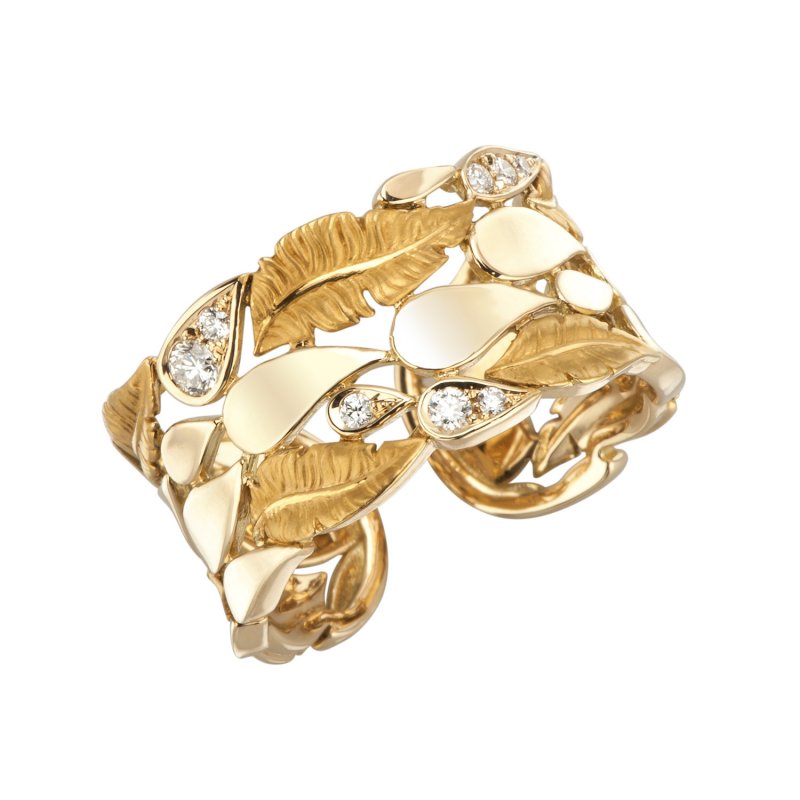
Mesopotamia
The Mesopotamian jewelry, which was not only dedicated to royalty and nobility, stands out by many motifs such as leaves, branches, grapes, cones and spiral objects. One of its most popular decorative objects was the large cylinder seal, which was engraved with scenes from their past, mythology and cuneiform text.
A jewelry piece from the present moment in line with this trend:
Mikimoto – Romance bangle
07 of 14 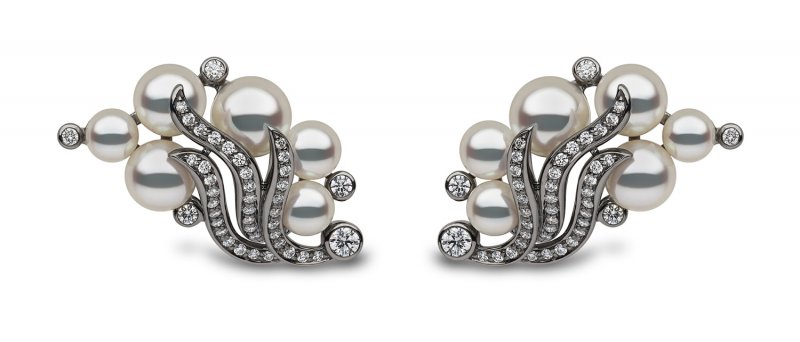
Ancient Greece
Mostly worn by female members of the wealthy class, the ancient Greek jewelry included rings, necklaces and pendants carefully crafted using molds and thin gold leafs. Some of the most popular gems of the Greek culture were amethysts, pearls, garnet and emeralds.
A jewelry piece from the present moment in line with this trend:
Yoko London – Novus pearl earrings
08 of 14 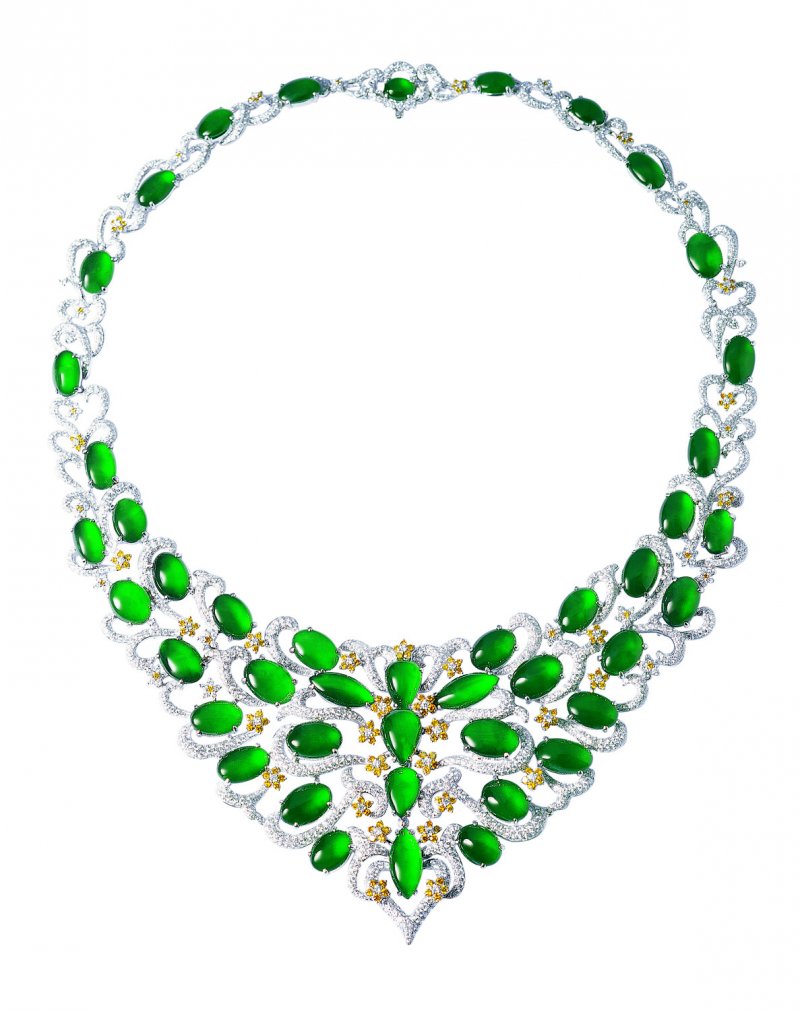
Ancient China
Ancient Chinese jewelry creations preferred silver over gold and jade over any other gemstone. The most popular jewels in China were amulets, pins, headbands, rings and earrings worn by men and women royals and featuring dragons and phoenix.
A jewelry piece from the present moment in line with this trend:
Zhaoyi – Coincidence of Elegance necklace in green icy jadeite with embedded diamond
09 of 14 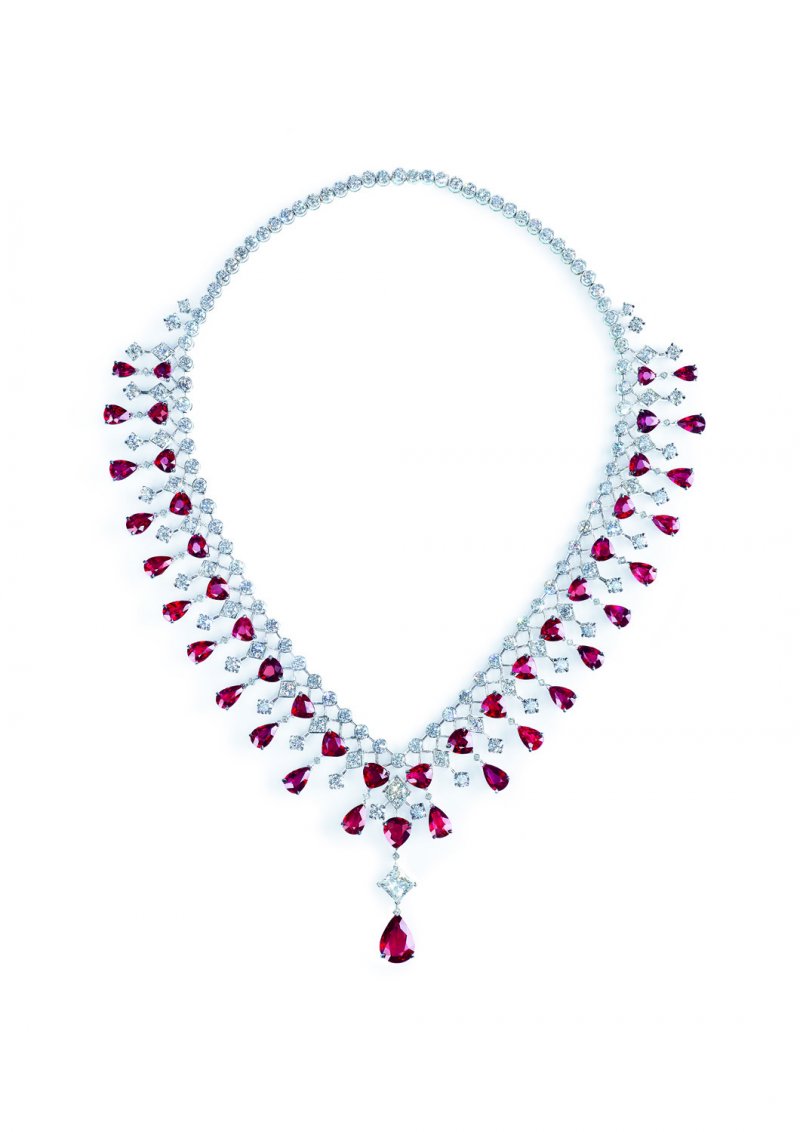
Ancient India:
Ancient Indian jewelry was a mix of the country’s own and foreign styles. While gold was celebrated as a symbol of the warm sun, silver was another popular metal and was associated with the moon and its night shine. Jewelry pieces were created for the arms, legs, necks, face and hands and included precious stones such as ivory, coral, ruby, sapphire, agate and diamond – which they were the first to discover the way of mining it.
A jewelry piece from the present moment in line with this trend:
Piaget – Secrets & Lights collection – Rubies and diamond high jewelry necklace
10 of 14 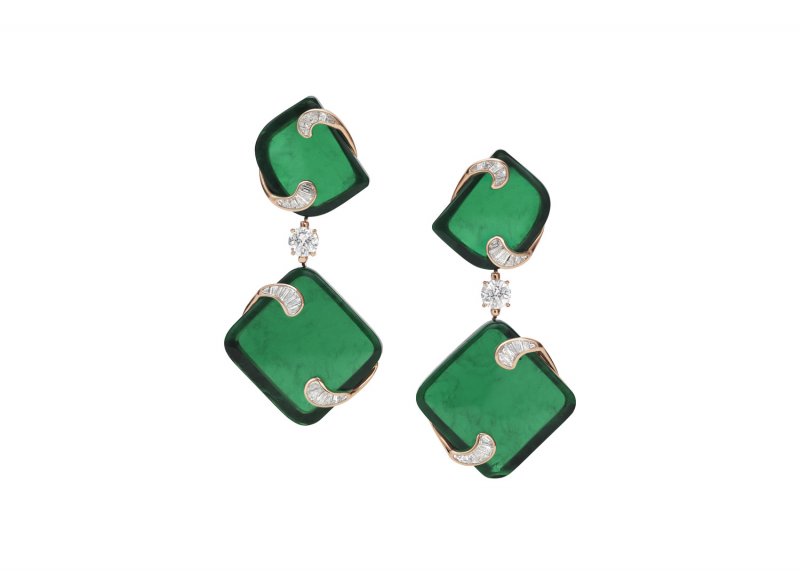
Ancient Rome
The most popular Roman jewelry pieces were brooches – used to secure clothing together – and signet rings, which were one of the only pieces that could be worn by men. Romans also created amulets, talismans, bracelets and earrings adorned by the designs of animals and coiling snakes, set with emerald, peridot, carnelian, jasper, lapis lazuli, onyx, diamonds and pearls.
A jewelry piece from the present moment in line with this trend:
Bulgari – Giardini Italiani high jewelry collection – Hidden Treasures earrings set with emeralds
11 of 14 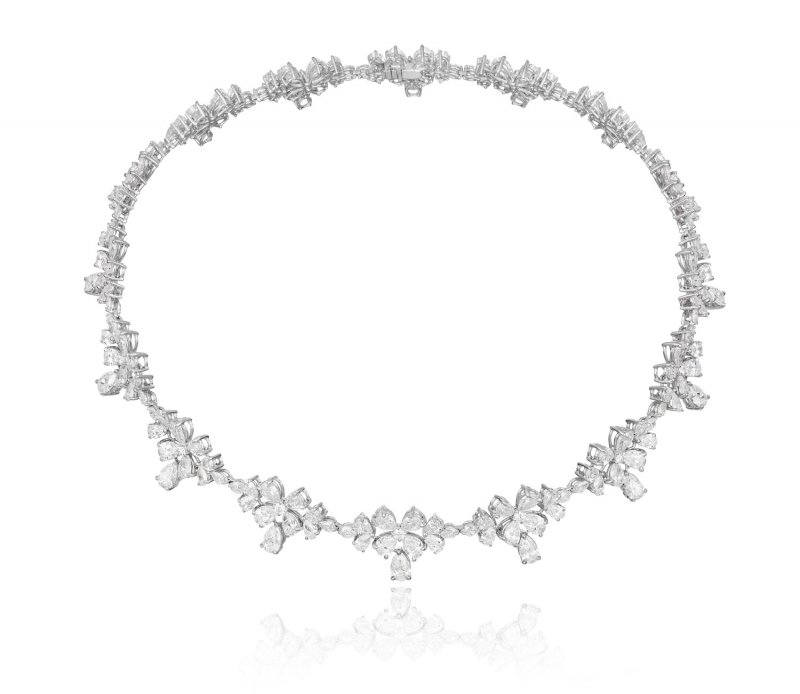
The Renaissance
After the stagnancy witnessed during the Middle Ages, the Renaissance marked a new chapter in the history of jewelry making. Countless types of precious stones travelled to Europe: diamonds and rubies were imported from India, emeralds from Columbia, topaz and amazonite from Brazil, spinel, iolite and chrysoberyl from Sri Lanka, lapis lazuli from Afghanistan, turquoise from Persia, peridot from Red Sea and many more. Creations set with a single gem became popular and diamonds became the most desired precious stone in the world under the influence of Bonaparte.
A jewelry piece from the present moment in line with this trend:
Chopard – high jewelry necklace set with diamonds
12 of 14 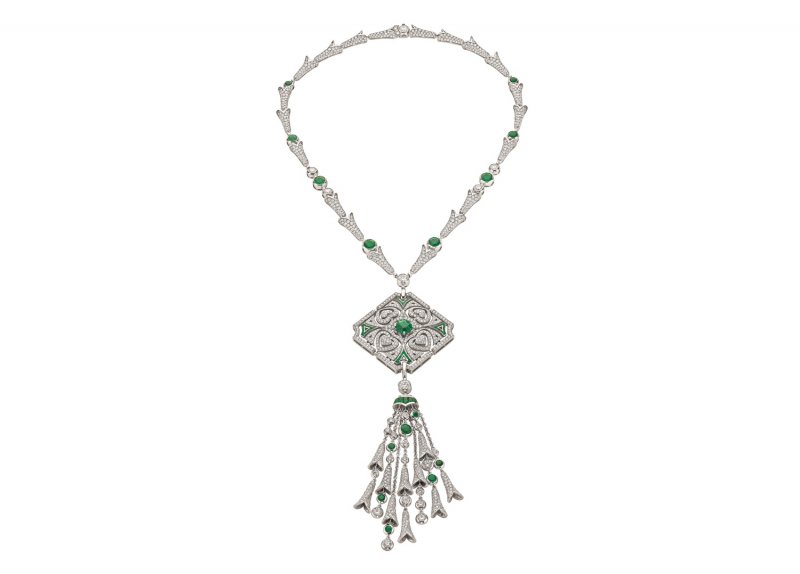
Romanticism Jewelry – Part 1
Under the influence of Queen Victoria, the Romantic Period (1837-1860) witnessed the takeover of romantic motifs such as hearts, anchors and snakes.
A jewelry piece from the present moment in line with this trend:
Bulgari – Giardini Italiani high jewelry collection – Sparkling Hearts necklace with emeralds
13 of 14 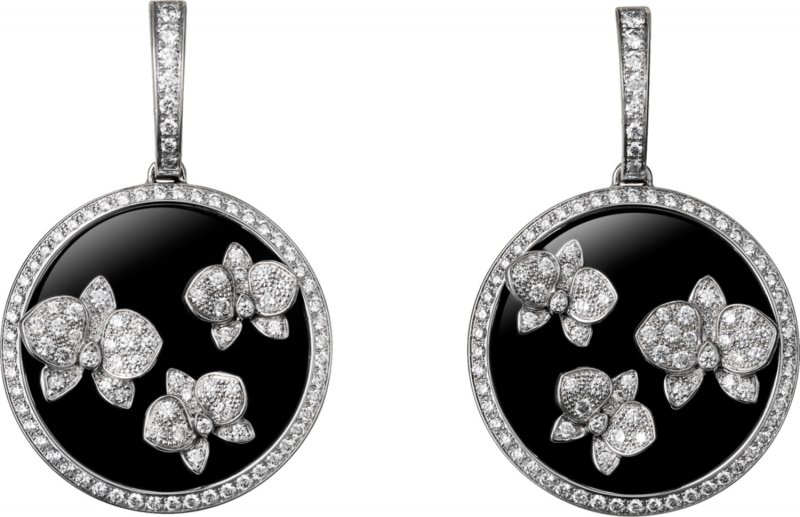
Romanticism Jewelry – Part 2:
Somber, dramatic and heavy, the jewelry from the Grand Period (1861-1885) was reminiscent of patterns used in older styles such as Renaissance and gothic. Under the influence of Queen Victoria, the “mourning” jewelry saw the light and it was made of jet, onyx and black glass.
A jewelry piece from the present moment in line with this trend:
Cartier – Caresse d’Orchidées earrings in white gold, black onyx and diamonds
Photo Courtesy of Cartier.co.uk
14 of 14