


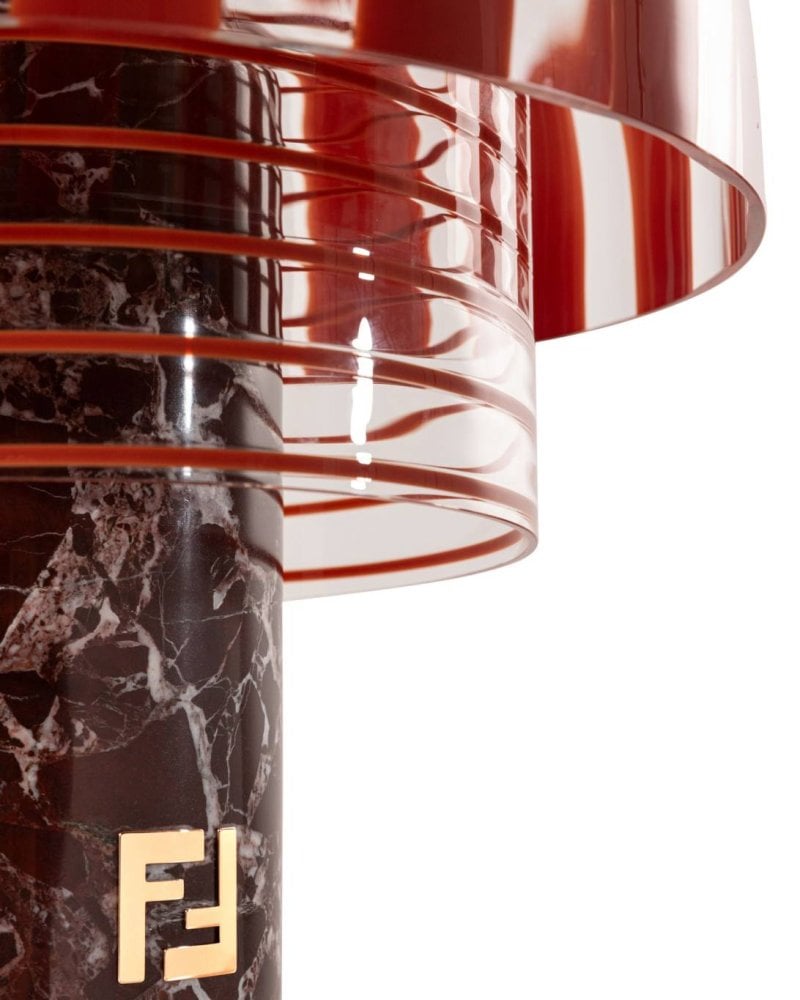
A designer handbag once signaled the peak of personal luxury; today, it is merely the entryway. The world’s leading fashion houses have crossed the threshold of personal apparel and moved directly into interior architecture. From Hermès cashmere throws draped over mid-century daybeds to Fendi Casa-curated penthouses in luxury-focused corners of the world, the living space has become the premier canvas for high fashion.
This migration is not a licensing afterthought, but a calculated evolution of lifestyle branding. Luxury consumers no longer seek merely to wear an aesthetic – they want to inhabit it entirely.
The expansion from runway to residence represents a fundamental shift in how luxury defines itself. Fashion is seasonal, frantic and ephemeral; interior design is permanent, structural and enduring.
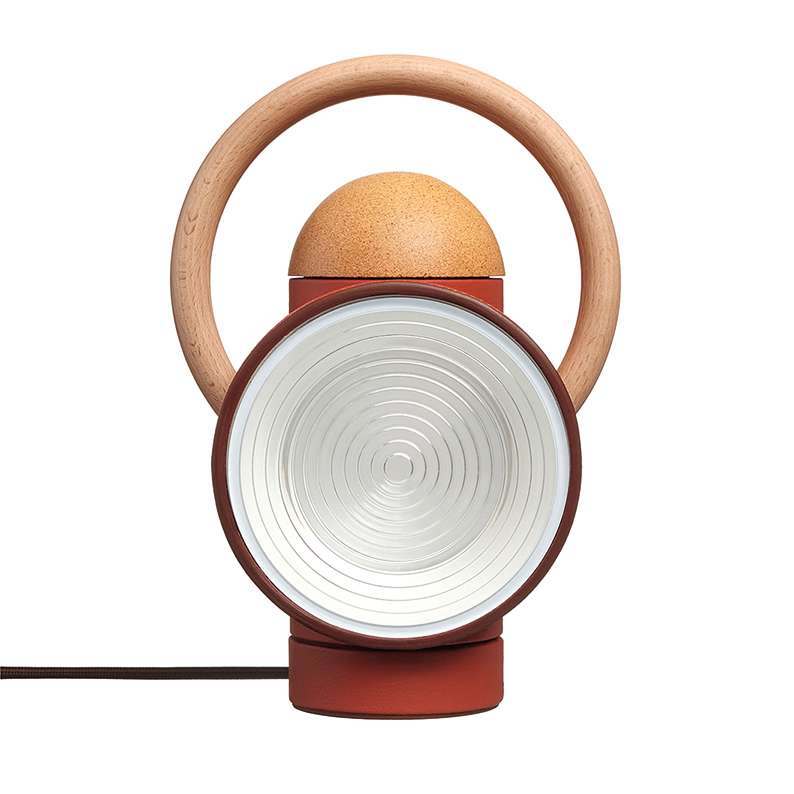
Hermès Pirouette table lamp
The Hermès philosophy explores homeware as early as the 1920s, yet its contemporary collections treat the home as an extension of craft rather than branding. Hand-stitched bridle leather, silk wallpaper, and minimalist oak pieces prioritize quiet artisanship over loud monograms.
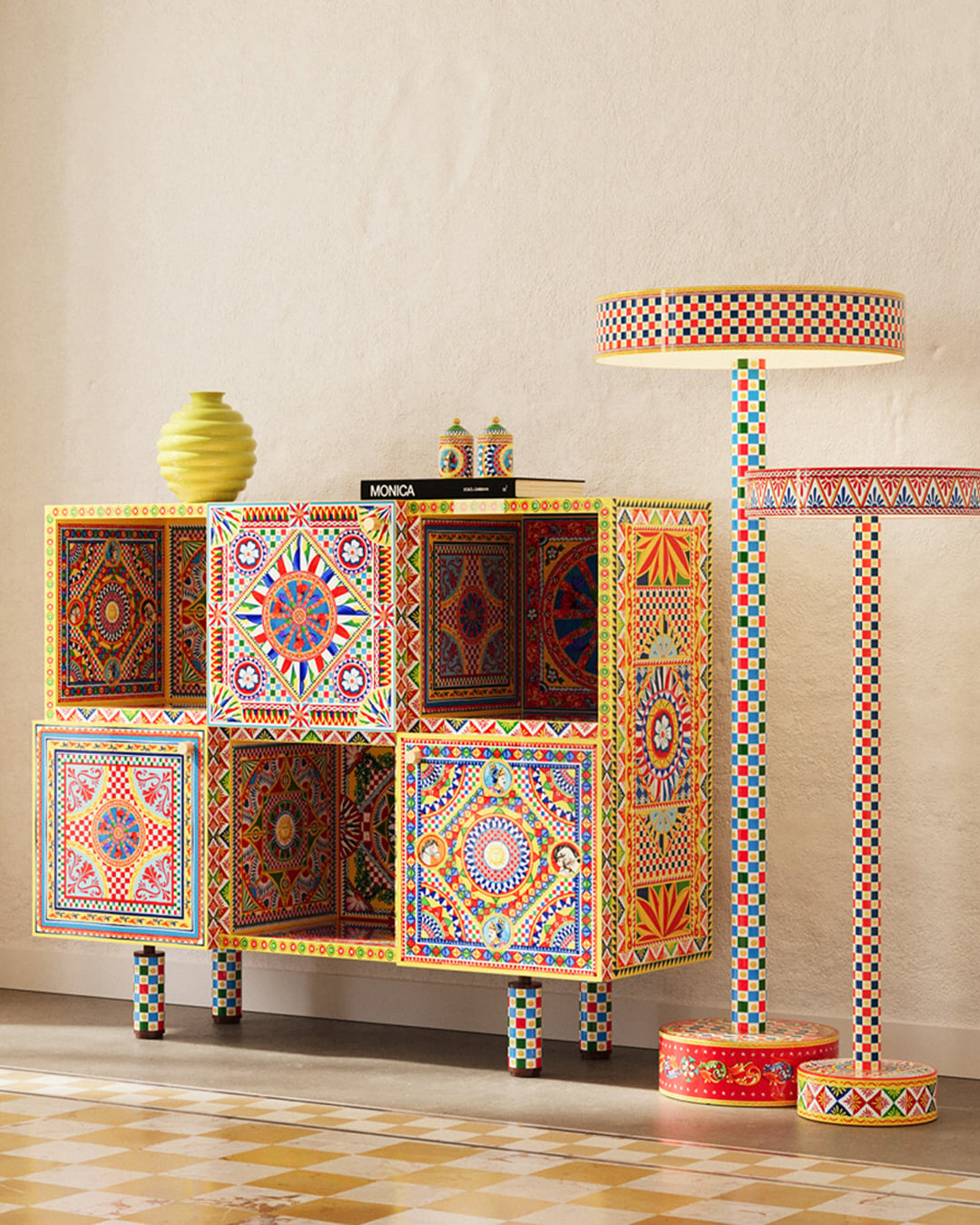
Dolce & Gabbana Casa
The Italian approach redefines maximalism. Brands like Versace Home, Dolce & Gabbana Casa and Roberto Cavalli treat interiors as theatrical extensions of their runway codes. Gold leaf, vivid Mediterranean motifs, animal prints and baroque gilding transform living rooms into private cinematic sets.
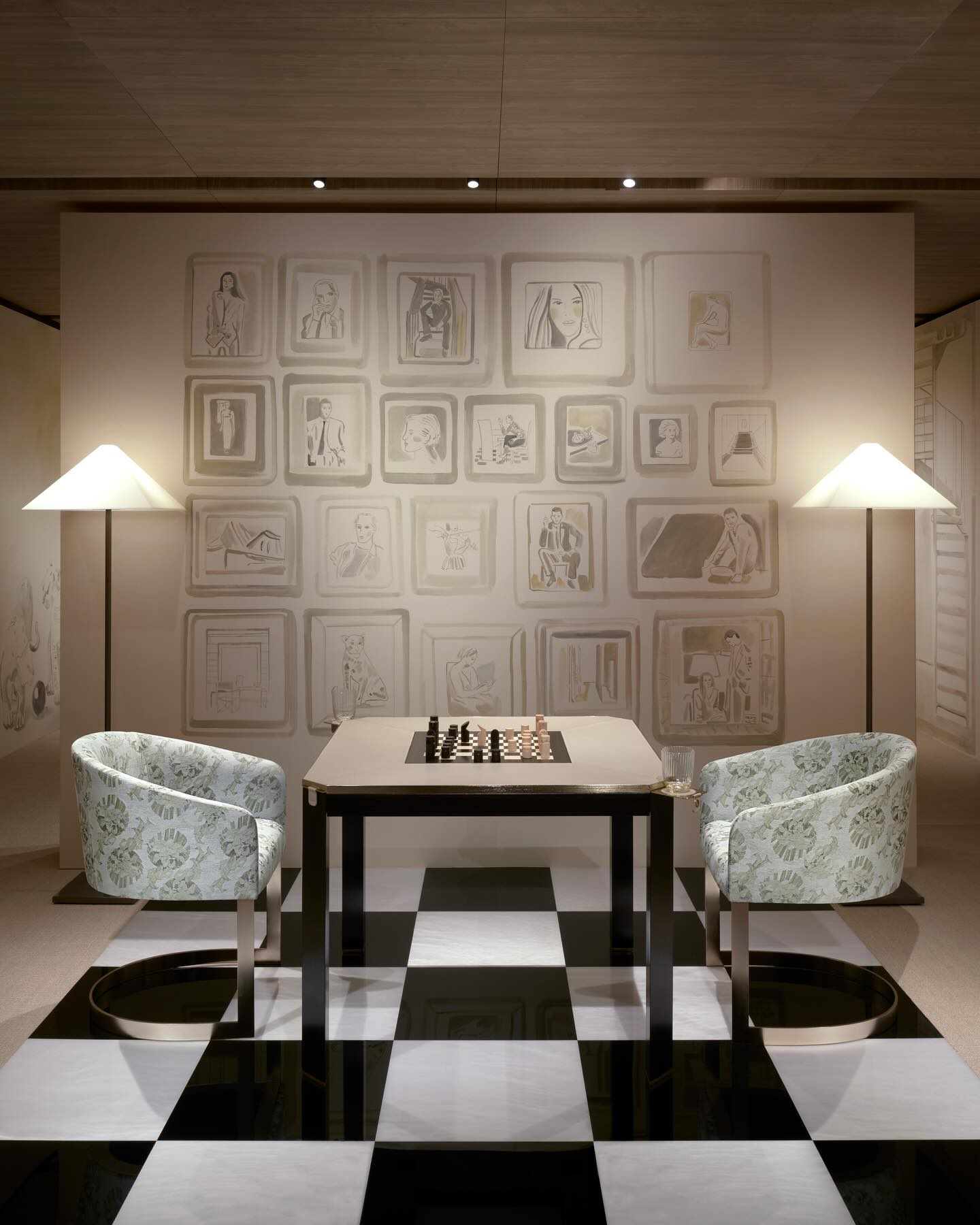
Armani/Casa
In the language of architectural minimalism, Armani/Casa and Bottega Veneta emphasize textural nuance. Giorgio Armani’s interiors mirror his tailoring: unpretentious lines, greige palettes, and brushed bronze finishes designed to project contemplative elegance.
Elie Saab Maison
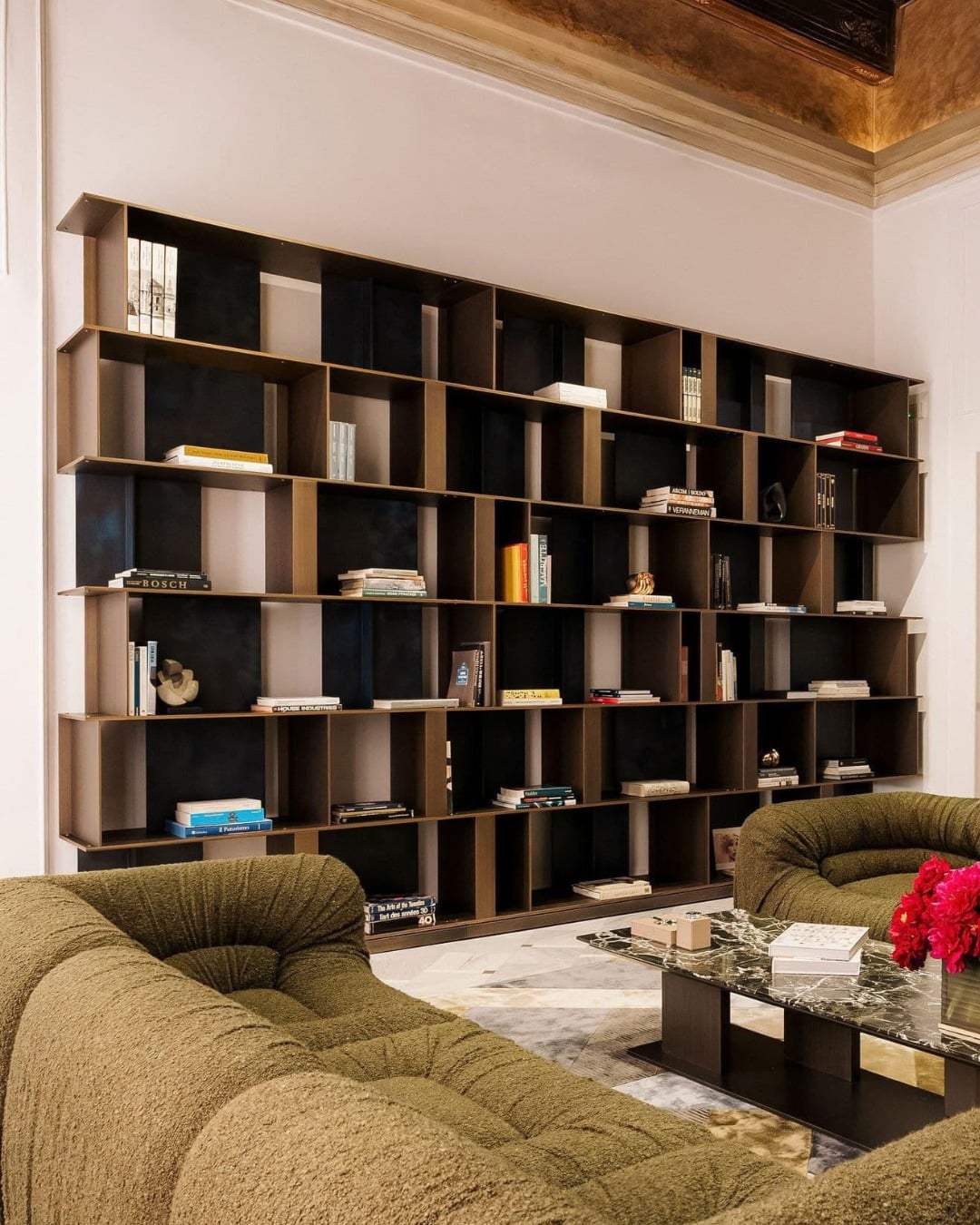
In terms of Haute Couture volumes, few transitions from atelier to living room feel as fluid as Elie Saab Maison. In partnership with Italian architect and designer Carlo Colombo, the Lebanese couturier translates his signature red-carpet grandeur into sculptural furniture.

Louis Vuitton
As for Louis Vuitton, its pieces dive into the art of nomadic living. The Maison’s approach to interiors is rooted in its founding DNA: travel and trunk-making. Through its celebrated Objets Nomades line, the French house sidesteps traditional domestic furnishings in favor of poetic, collectible design.
Dior Maison
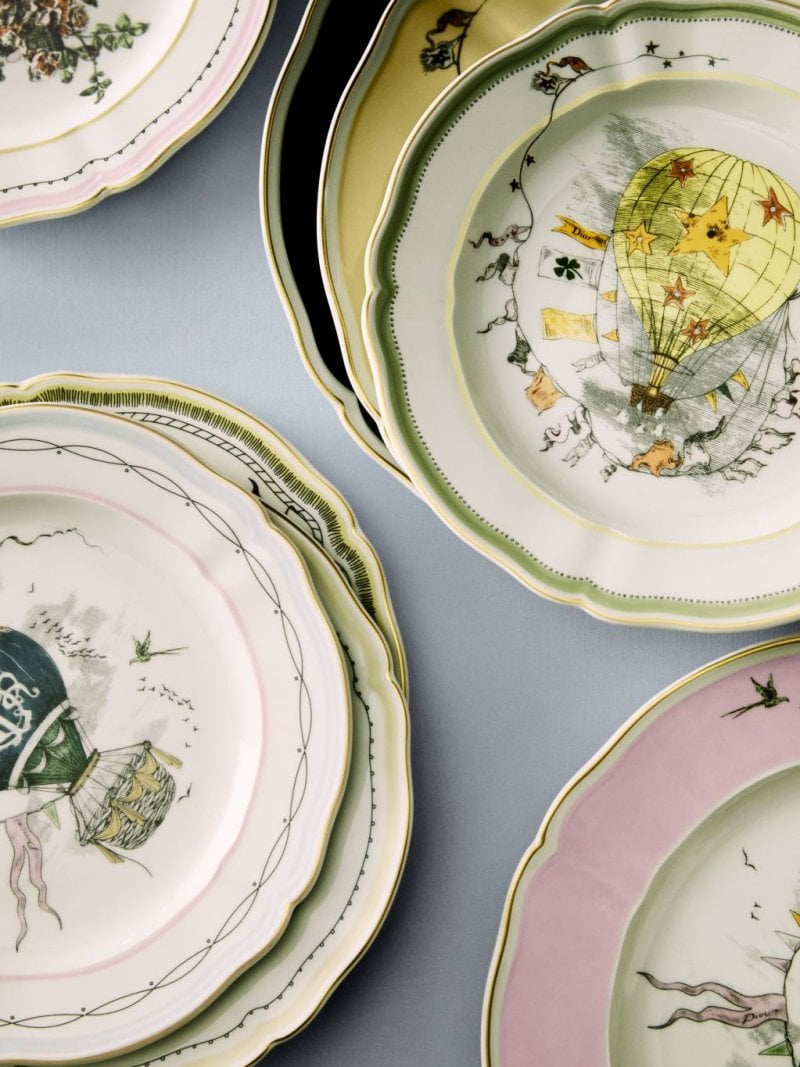
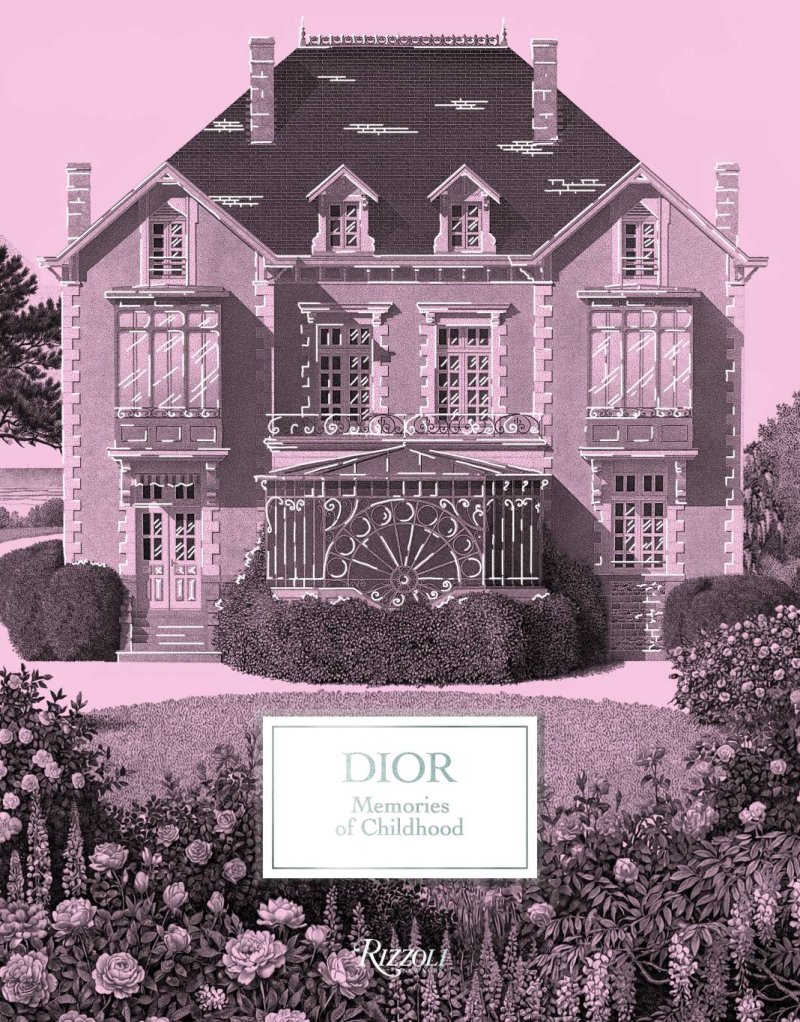
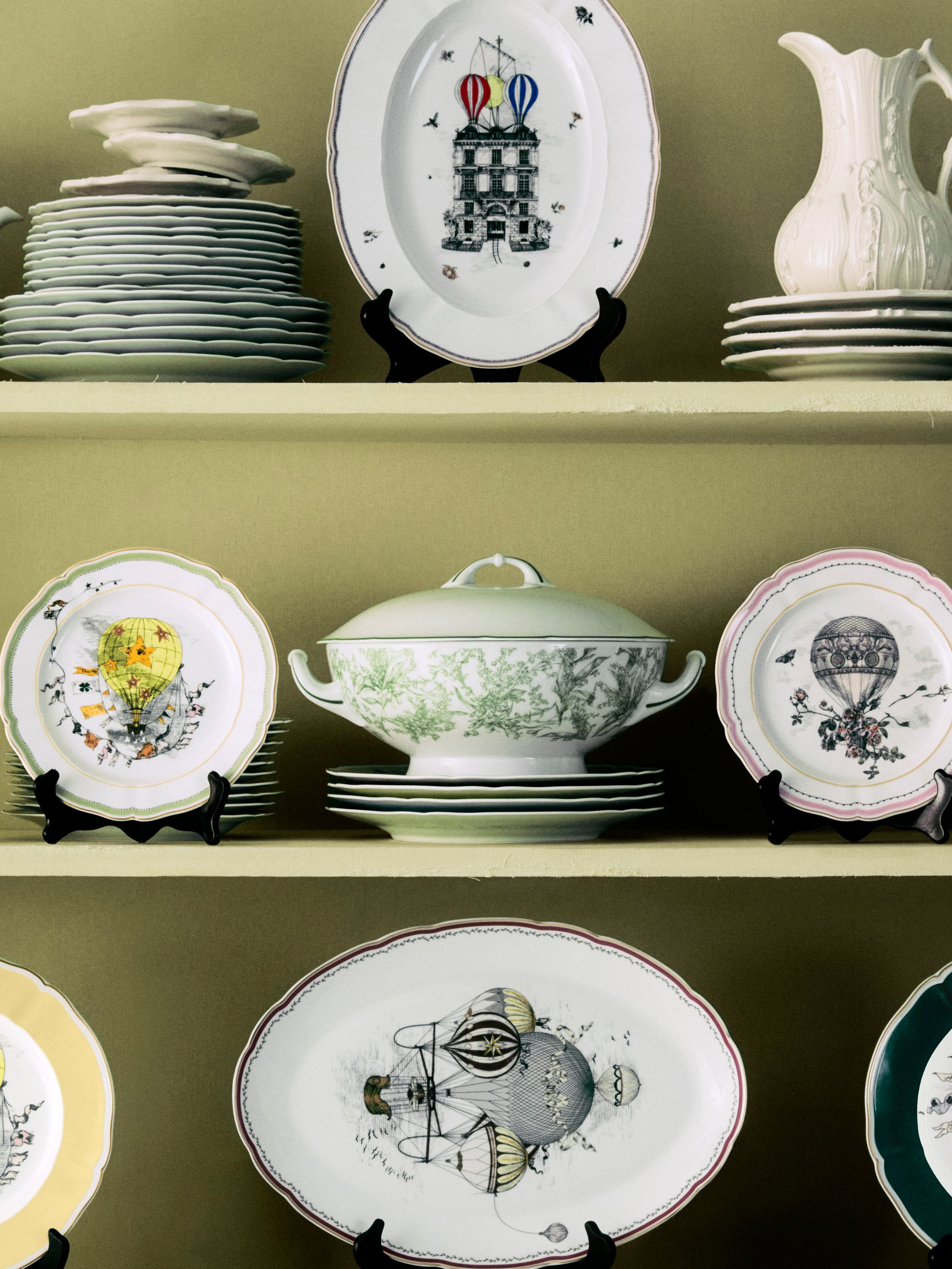
Where other houses focus on structural heft, Dior Maison rules the nuanced realm of entertaining and domestic intimacy. Deeply anchored in Christian Dior’s personal love for gardening, architecture, and opulent dinner parties, the maison’s home universe centers on the art de la table.
The intersection of fashion and interiors has even transcended furniture to encompass entire houses around the world. So, by applying their signature materials, pattern archives, and craftsmanship to everyday environments, fashion houses have engineered a continuous loop of brand loyalty. When your bed linens, tableware and lighting share a pedigree with your wardrobe, luxury ceases to be an occasional purchase; it becomes the very atmosphere you breathe.
Article Written by Mirella Haddad

- Keywords
- interior design